
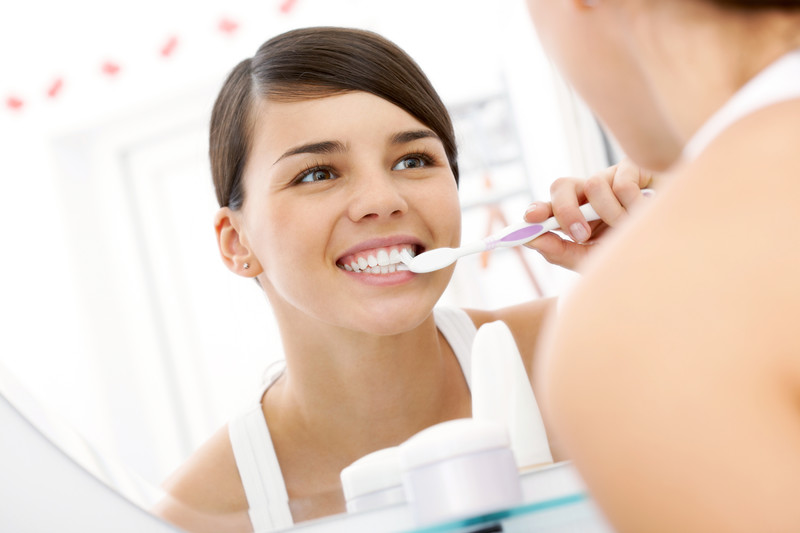
As cold and flu season thrives, most people focus on stocking up on tissues and vitamin C. But have you considered how being sick might impact your smile? Understanding how illness affects your teeth can help you maintain good oral health when sick and prevent long-term damage.
Why Does Being Sick Affect Your Oral Health?
Does being sick affect your oral health? Absolutely. When you’re fighting off a cold or flu, several factors can compromise your dental health. Dehydration and dry mouth are common when you’re ill, and both reduce saliva production. Saliva is your mouth’s natural defense system, washing away bacteria and neutralizing acids. Without adequate saliva, you’re more vulnerable to cavities and bad breath when sick.
Mouth breathing, especially when you’re congested, further dries out your mouth. You might also experience sinus pressure that can make your upper teeth feel sore or sensitive, even though the issue originates in your sinuses rather than your teeth themselves.
The Hidden Dangers of Common Cold Remedies
While cough drops and cough syrup provide relief, many contain high amounts of sugar that coat your teeth and feed harmful bacteria. Liquid medicine often has a similar effect. Whenever possible, opt for sugar-free lozenges and rinse your mouth with water after taking any medication.
Protecting Teeth When Sick: Special Considerations for Vomiting
If you’re dealing with stomach flu or nausea, vomiting poses a serious threat through acid erosion. The stomach acid that comes up can severely weaken your tooth enamel, leading to potential enamel damage.
Should I brush my teeth after throwing up? This is a crucial question many people get wrong. You should actually wait to brush after vomiting—ideally for at least 30 minutes. Brushing immediately after being sick can spread the acid across your teeth and push it into the softened enamel, causing more harm than good.
Dental Care During Cold and Flu: Best Practices
Here are some essential tips for how to take care of your teeth when you have the flu:
Rinse First, Brush Later
After vomiting, immediately rinse with a baking soda rinse (one teaspoon of baking soda in a cup of water) to neutralize the acid. A saltwater rinse can also help soothe irritated tissues and reduce bacteria. Wait 30 minutes before practicing gentle brushing.
Stay Hydrated
Stay hydrated throughout your illness by sipping water frequently. This helps combat dry mouth and maintains healthy saliva levels. Avoid sugary sports drinks when possible, or rinse with water after consuming them.
Replace Your Toothbrush
Once you’re feeling better, replace your toothbrush heads or your entire toothbrush. While the likelihood of reinfecting yourself is low, old bristles harbor bacteria and may be worn down from your illness.
Maintain Your Routine
Even when you feel terrible, try to maintain your normal brushing and flossing routine. If you’re too weak for a full routine, at least rinse your mouth with water or mouthwash.
When to Contact Your Dentist
If you experience persistent tooth pain that doesn’t resolve after your illness subsides, it’s time to schedule an appointment with Dr. Mohammad Al-Asadi at Cottage Hill Dental Care. What seems like sinus pressure could actually be a dental issue requiring attention.
For severe tooth pain or dental emergencies that develop during your illness, don’t hesitate to reach out to our emergency dental service.
Taking care of your oral health when sick may not be your top priority when you’re feeling miserable, but these simple steps can prevent complications that outlast your cold. If you have questions about protecting teeth when sick or need guidance on dental care during cold and flu season, call Cottage Hill Dental Care at (630) 576-9726.







Leave A Comment
You must be logged in to post a comment.